Kheer Recipe – Trending Ramadan Iftar Rice Pudding Recipe
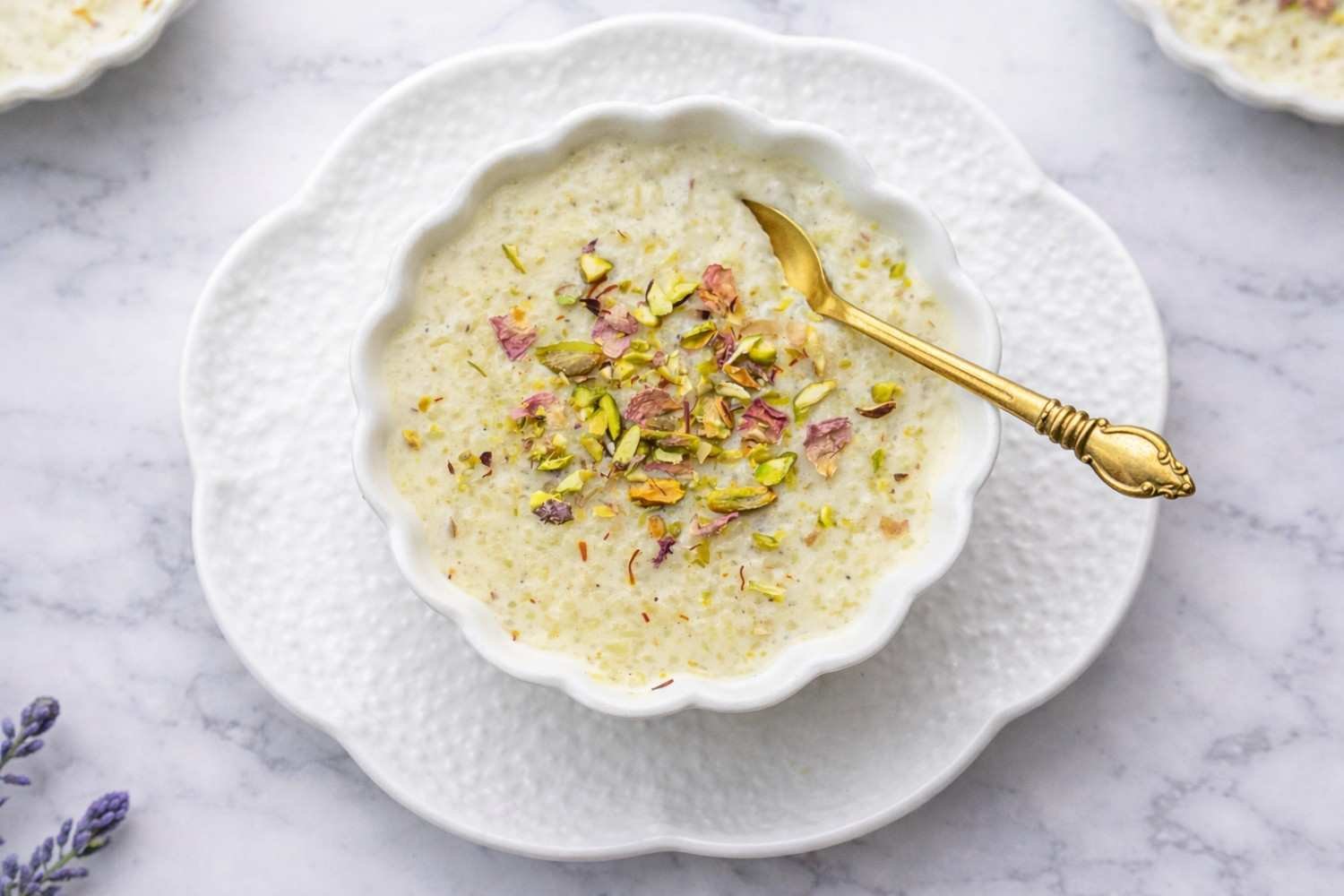
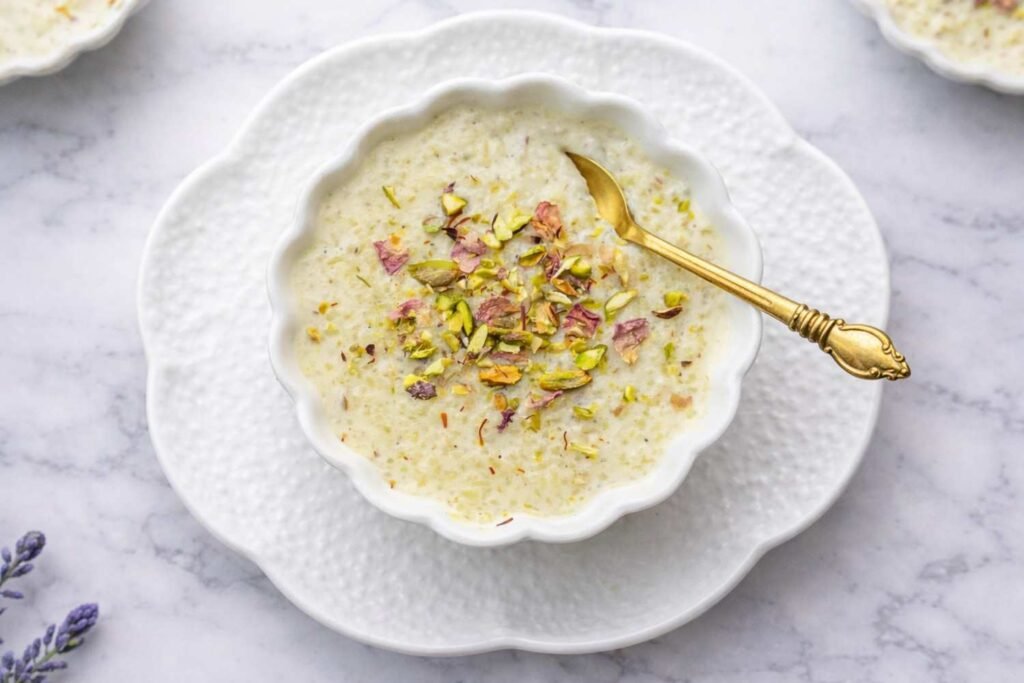
After a long day of fasting, few desserts are as comforting and soothing as a classic kheer recipe. This traditional rice pudding, simmered in milk with sugar, cardamom, and nuts, offers the perfect balance of sweetness, creaminess, and warmth. Popular across South Asia, kheer is a Ramadan favorite, providing a nourishing and festive way to end an iftar meal. Whether served hot or chilled, its creamy texture and delicate flavors bring both nostalgia and delight to your table.
Kheer has been part of South Asian culinary traditions for centuries, often prepared during festive occasions, religious events, and family gatherings. Its aromatic spices and richness make it a celebratory dessert, perfect for Ramadan evenings when families come together to break their fast.
Ingredients for Kheer (Serves 4–5)
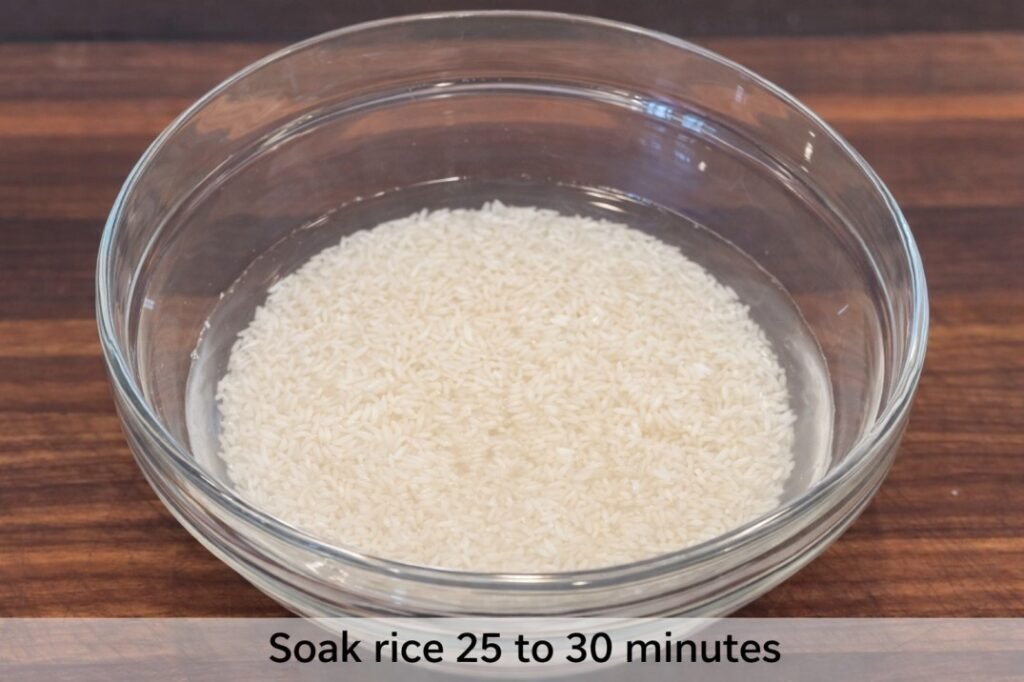
- ½ cup basmati rice, rinsed thoroughly
- 1 liter water
- 1 liter full-fat milk (or 4 cups)
- ½ cup sugar (adjust to taste)
- 4–5 green cardamom pods, crushed
- 2–3 tbsp chopped almonds
- 2–3 tbsp chopped pistachios (optional)
- 1–2 tbsp cashews (optional)
- A pinch of saffron strands (optional, soaked in 1 tbsp warm milk)
- 1 tsp rose water or kewra water (optional, for aroma)
Chef Tip: Using soaked rice or lightly crushed grains helps the pudding thicken faster. Full-fat milk provides the richest, creamiest texture.
Step-by-Step Directions for Creamy Kheer
1. Prep the Rice
Rinse the basmati rice thoroughly in cold water until the water runs clear. Soak for 20–30 minutes to reduce cooking time. Drain before adding to the milk.
Pro Tip: Soaking rice ensures softer grains, giving the kheer a smooth and creamy texture.
2. Heat the Milk
Pour milk into a heavy-bottomed saucepan and bring it to a gentle boil on medium heat. Stir frequently to prevent sticking or burning at the bottom.
3. Cook the Rice
Add the drained rice to the boiling water. Lower the heat and cook on medium-low, stirring occasionally. Allow the rice to cook slowly and become fully soft and cooked. This may take 25–30 minutes. Now, when rice are completly tender and soft, add milk.
Chef Tip: Patience is key — slow cooking ensures soft, plump rice and a rich, velvety pudding. Stirring is the key to avoid burnt taste. One more thing, always add milk after cooking rice.
4. Add Sugar and Flavors
Once the rice is completly tender, add sugar and milk. Stir well until sugar dissolves completely. Add saffron milk if using, for a subtle aroma and golden hue.
5. Mix in Nuts
Add chopped almonds, pistachios, and cashews. Reserve a few for garnish. Stir gently to combine. The nuts provide a satisfying crunch and nutty flavor that complements the creamy pudding.
6. Simmer and Adjust Consistency
Continue to cook for another 5–7 minutes on low heat. For thicker kheer, cook a few minutes longer. For a lighter consistency, add a splash of milk.
Chef Tip: Stir frequently to avoid the milk sticking to the bottom. Kheer thickens further as it cools.
7. Serve
Kheer can be served warm, straight from the pan, or chilled in the refrigerator for a refreshing dessert. Garnish with reserved nuts and a few saffron strands for a festive presentation.
Nutritional Information (Approx. per Serving, 4–5 servings)
| Nutrient | Amount |
|---|---|
| Calories | 250 kcal |
| Protein | 6 g |
| Fat | 10 g |
| Saturated Fat | 6 g |
| Carbohydrates | 35 g |
| Sugar | 20 g |
| Fiber | 1 g |
| Sodium | 60 mg |
Final Thoughts
This classic kheer recipe is a staple of Ramadan iftar tables, offering comfort, sweetness, and nourishment after a day of fasting. Its creamy texture, aromatic spices, and nutty crunch make it a dessert loved by both children and adults.
Whether you serve it hot for a cozy evening or chilled for a refreshing end to your iftar meal, kheer embodies tradition, celebration, and togetherness. Preparing this dessert at home allows you to adjust sweetness and flavors to your taste, creating a memorable treat for your family and guests during Ramadan.