Traditional Napa Cabbage Kimchi Recipe — Easy & Delicious
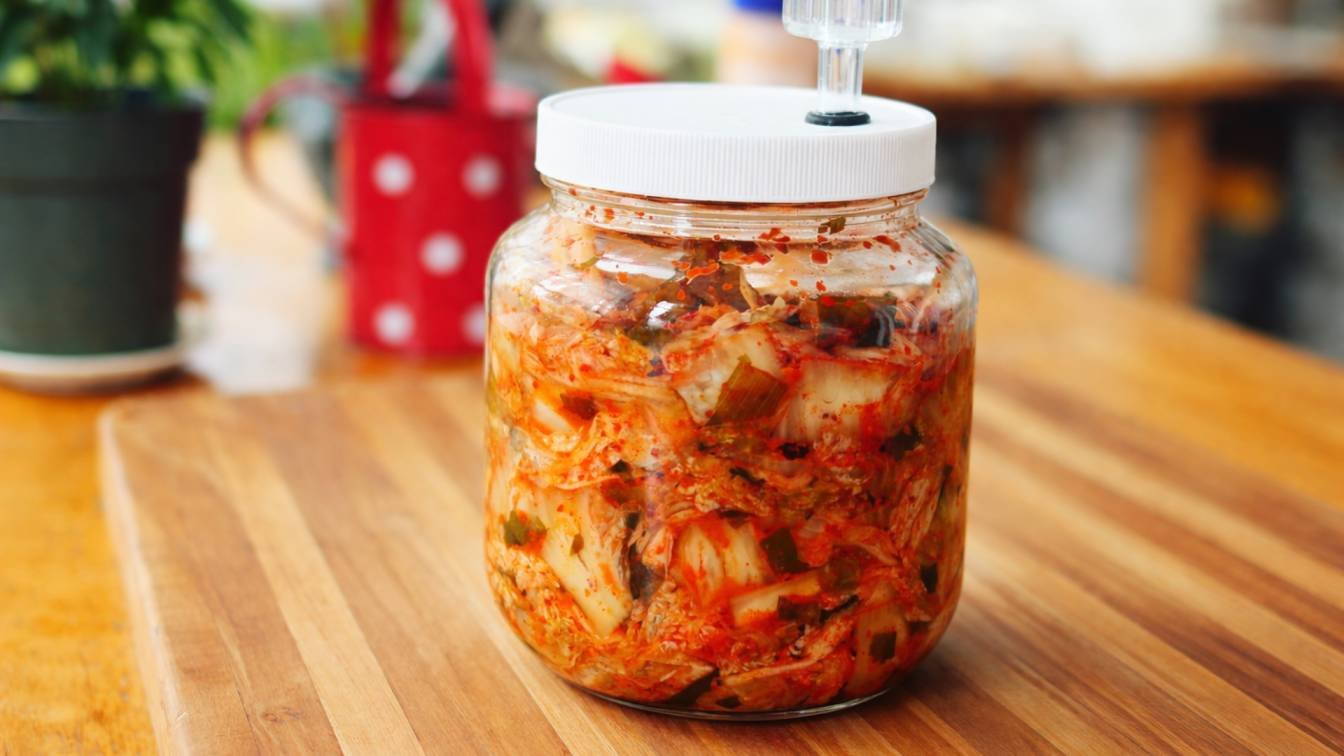
I think everyone in the world knows about Kimchi, its a really popular dish. Kimchi is more than just a dish — it’s Korea’s national dish, served with nearly every meal and beloved for its bold, tangy, spicy flavor. More than food, kimchi represents community, family, and time-honored tradition, often made in large batches to share with loved ones. Making this dish sometimes become a bit tricky that is why I am sharing this recipe for you with east steps and authentic way to help you make this recipe and enjoy this beloved Korean dish.
This authentic homemade Napa cabbage kimchi is surprisingly easy to make at home. Each bite is tangy, spicy, and packed with umami — perfect for elevating rice, soups, noodles, or sandwiches. The spicy, tangy flavors awaken your taste buds, making it a healthy fermented side dish you’ll love to serve repeatedly.
Ingredients
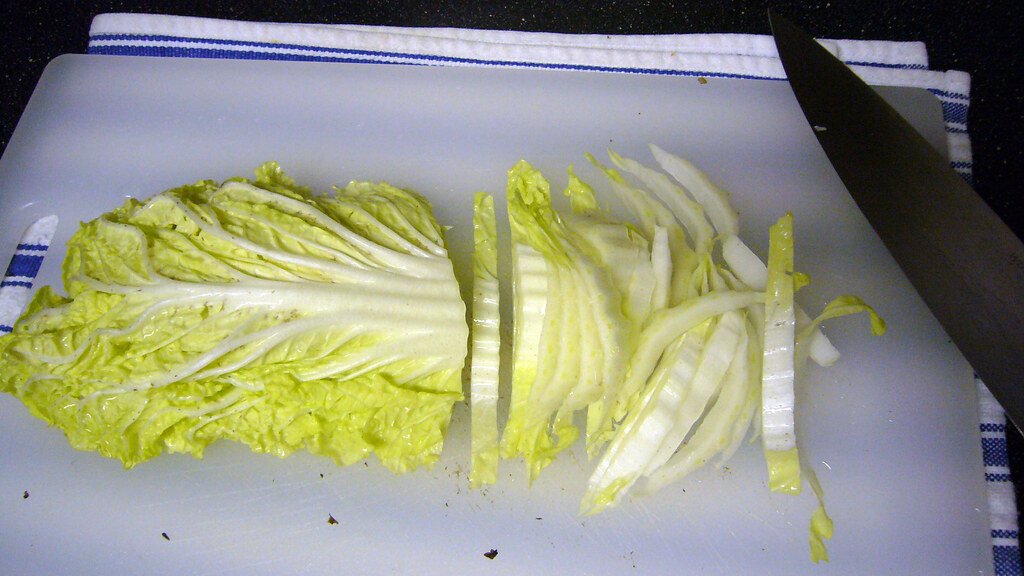
- 1 large Napa cabbage (2–2.5 lbs)
- ¼ cup sea salt
- 4–5 cups water
- 1 tablespoon sugar
- 5–6 garlic cloves, minced
- 1 teaspoon ginger, minced
- 4–5 green onions, chopped
- 1 small carrot, julienned (optional)
- ¼ cup Korean red chili pepper flakes (gochugaru)
- 2–3 tablespoons fish sauce (or soy sauce for vegetarian)
How to Make Traditional Kimchi
1. Salt the Cabbage
Spread out the cabbage and add the sea salt evenly between the leaves.
Pour 4–5 cups of water over it so the salt dissolves completely.
Leave it for 1–2 hours, turning gently every 30 minutes, until the cabbage softens.
Tip: Avoid over-salting, as it can make the kimchi too salty for fermentation.
2. Make the Paste
In a bowl, combine garlic, ginger, green onions, carrot (if using), sugar, gochugaru, and fish sauce.
Stir until it forms a uniform paste.
Tip: Taste and adjust the spice or sweetness if needed.
3. Mix Paste Into Cabbage
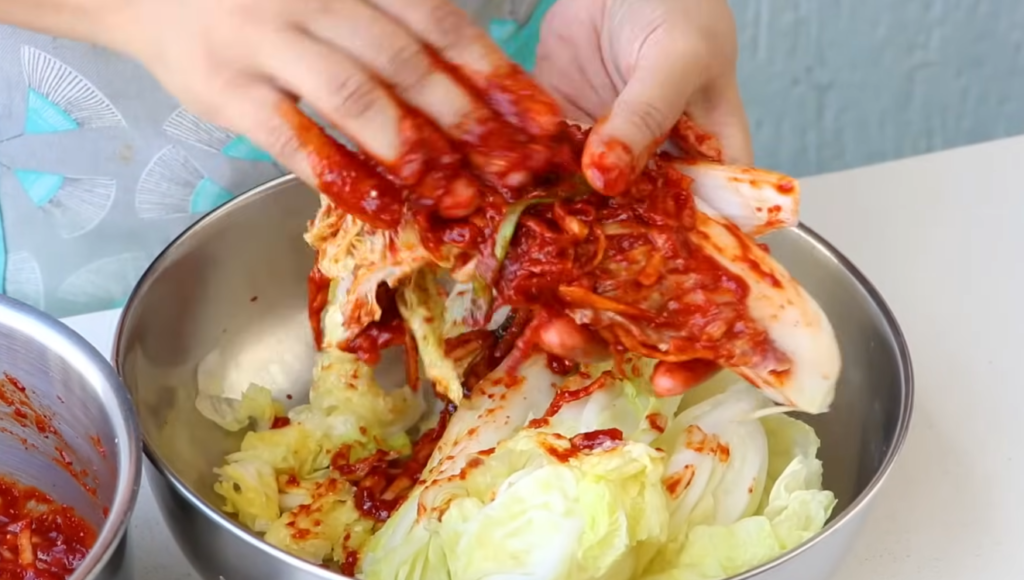
Rinse the salted cabbage lightly to remove excess salt and drain well.
Using gloves, blend the paste into every cabbage leaf until all are coated.
4. Pack and Ferment
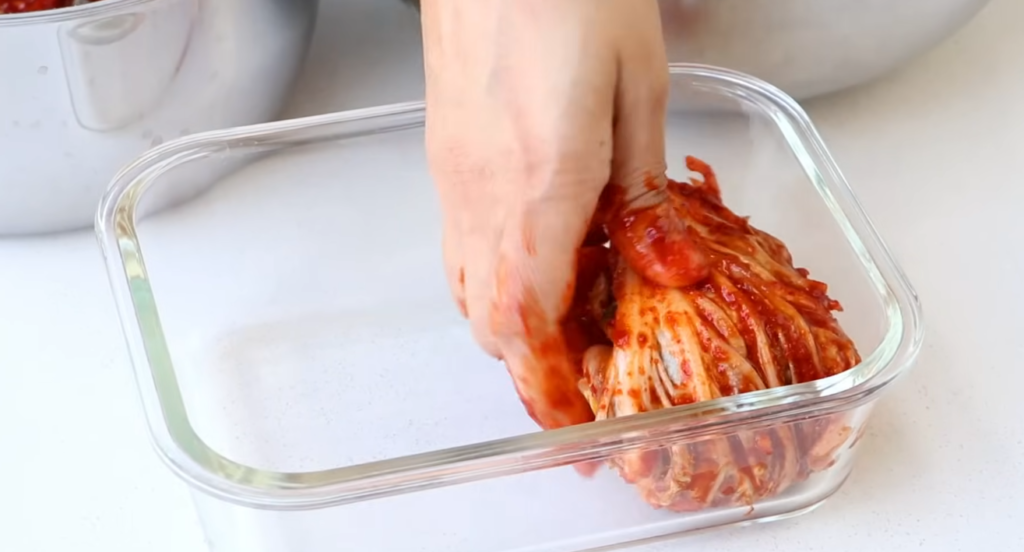
Tightly pack the coated cabbage into a clean jar or container, pressing down to remove air pockets. Leave at least 1 inch of space at the top.
Seal and leave at room temperature for 1–2 days.
Once it reaches your preferred sourness, move it to the refrigerator. Fermentation continues slowly, deepening the flavor.
Serving Suggestions
- Serve with steamed rice and a fried egg.
- Add to soups and stews.
- Use in grilled cheese sandwiches.
- Toss into stir-fried noodles.
How To Store Kimchi that Lasts Long?
- Keep in a clean, airtight jar in the fridge.
- Best flavor: 3–4 weeks; longer fermentation results in a tangier taste.
- Always use clean utensils to prevent contamination.
Nutrition Snapshot (Approx. per 100g)
| Nutrient | Amount |
|---|---|
| Calories | 40 kcal |
| Carbohydrates | 7–9 g |
| Protein | 2 g |
| Fat | <1 g |
| Fiber | 2 g |
| Sodium | ~500 mg |
Quick FAQs
Can I make vegetarian kimchi?
Yes! Replace fish sauce with soy sauce or tamari.
Is kimchi hard to make?
No — the steps are straightforward and easy to follow.
Can I use fresh cabbage instead of Napa?
Napa is preferred, but other cabbages can work with slight differences in texture.
Why is my kimchi not sour yet?
Fermentation varies with temperature. Colder slows it; warmer speeds it up. Taste after a couple of days if needed.
Final Thoughts
This traditional Napa cabbage kimchi is tasty, approachable, and rooted in Korean heritage. Following traditional Korean methods, you’re making more than a side dish — you’re creating a vibrant, probiotic-rich dish that enhances any meal. Its spicy, tangy flavors awaken your taste buds, making it a dish you’ll want to share with friends and family again and again. If you like to discover more recipes then visit our Recipes section.